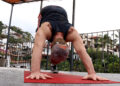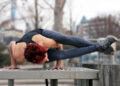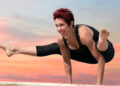



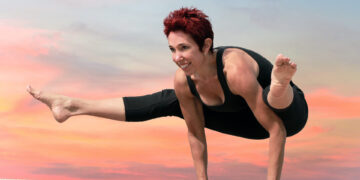

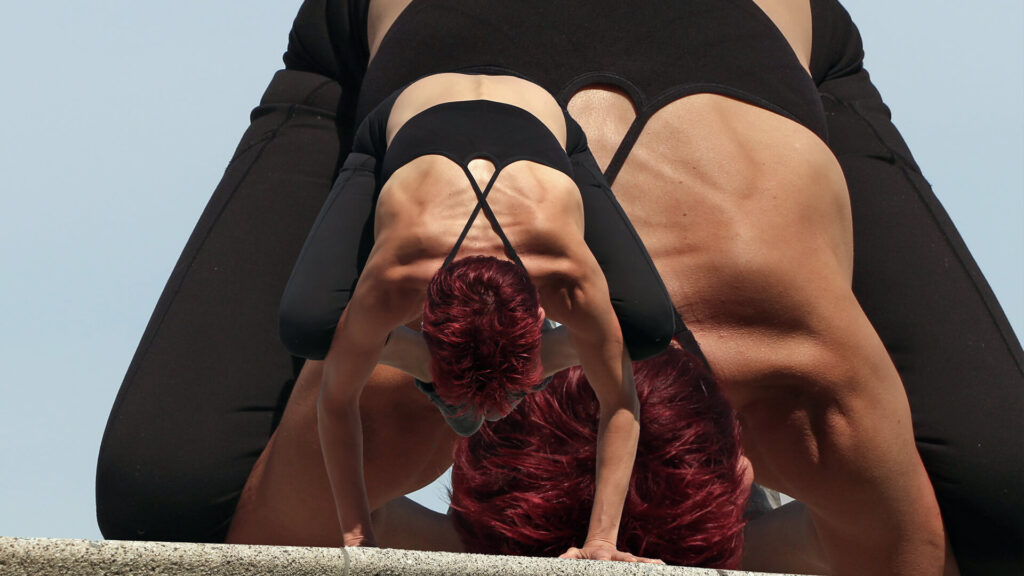
Ever wondered what it feels like to fly in your yoga practice?
Crow Pose—or Bakasana—might just be your first taste of lift-off. It’s often the first arm balance yogis explore, and with good reason. Crow builds strength, focus, and confidence, and once you find that sweet spot of balance, it’s pure magic.
🟧 Why Practice Crow Pose?
Crow Pose isn’t just a fancy party trick (though it’s definitely impressive!). It’s a gateway pose into the world of arm balances and inversions. It teaches you how to:
Engage your core and inner thighs
Trust your hands and wrists
Shift your weight with control
Face your fear of falling
Stay present and focused
Best of all? Once you lift off, you’ll experience a surge of accomplishment that reminds you—you’re stronger than you think.
🟧 Crow vs. Crane — What’s the Difference?
Both versions are called Bakasana in Sanskrit, but there’s a subtle difference:
Crow Pose: Arms are bent (a great place to start)
Crane Pose: Arms are straight (a more advanced variation)
Start with Crow to build the foundation, then work your way toward Crane as you grow stronger and more confident.
🟧 How to Get Into Crow Pose
Here’s a step-by-step guide to help you take flight:
Start in Garland Pose (Malasana), your feet together and heels lifted.
Place your hands shoulder-width apart on the mat. Make sure your fingers are spread wide, wrists aligned, and palms pressing down evenly.
Lift your hips high and bend your elbows like you would in Chaturanga (think low push-up arms).
Bring your knees as high up onto your upper arms as possible.
Engage your core and inner thighs. Squeeze everything in toward the center.
Shift your weight forward slowly. Don’t jump—just lean in.
Lift one foot, then the other. Keep your gaze forward (about 6 inches ahead) to help with balance.
Breathe. Stay calm. And fly.
👉 Pro Tip: Place a folded blanket or bolster in front of you if you’re nervous about falling forward. Practicing “safe falls” can help take the fear out of the pose.
🟧 Modifications + Tips
Use a yoga block under your feet to lift the hips and make it easier to shift your weight.
Work near a wall if you need some backup support.
Struggling to find balance? Focus on core engagement and keeping your gaze forward, not down.
Once you’re steady in Crow, try to straighten your arms to move toward Crane—or float back to Chaturanga if you’re up for a fun challenge!
🟧 Benefits of Crow Pose
Crow isn’t just about balance. It offers full-body benefits:
Strengthens: arms, wrists, core, inner thighs
Stretches: upper back and groin
Boosts: focus, concentration, and confidence
Builds: body awareness and courage
And perhaps most importantly—it teaches you the art of letting go while holding on.
💡Final Thoughts: You Can Do This
Crow Pose might look intimidating, but the truth is—it’s more accessible than it seems. All it takes is patience, practice, and presence. You don’t have to be perfect. You just have to be willing to try.
So go ahead—plant your hands, lean in, and trust yourself.
👉 Flew into Crow? Now come back to center.
After all that lift and focus, it’s time to reconnect with your foundation.
Downward Facing Dog is the perfect place to reset and realign.
Learn the details in our Downward Dog breakdown
>Downward Facing Dog