









Do It Right — Feel Your Abs Light Up
The correct setup for abdominal training (anatomy-based).
Most ab workouts don’t fail because of effort.
They fail because of setup.
If you’ve ever done hundreds of crunches and felt more neck, hip flexors, or lower back than abs — this is why.
Your core doesn’t respond to momentum.
It responds to position, tension, and intent.
Let’s fix that.
🟧 Know What You’re Training (This Matters)
Your rectus abdominis — the “six-pack” — runs from:
Bottom: pubic crest & symphysis pubis
Top: ribs 5–7 and the xiphoid process (bottom of the sternum)
That means one simple thing:
👉 Ab work is about bringing the rib cage closer to the pelvis.
Not yanking your head forward.
Not throwing your torso up.
Not swinging for reps.
When your setup respects anatomy, the abs do their job — fast.
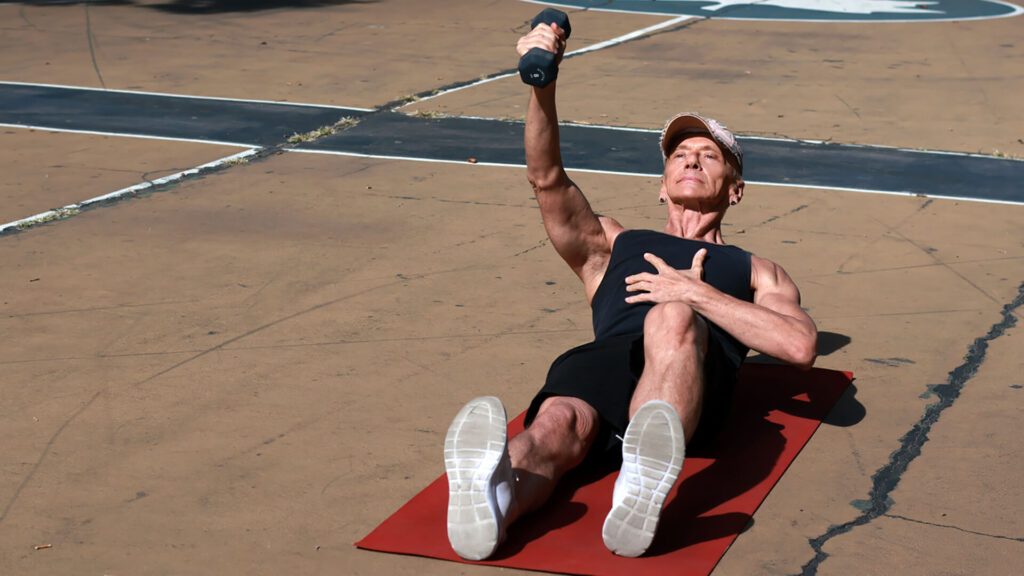
🟧 The Correct Setup (Step by Step)
1. Position Your Base
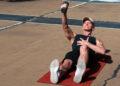
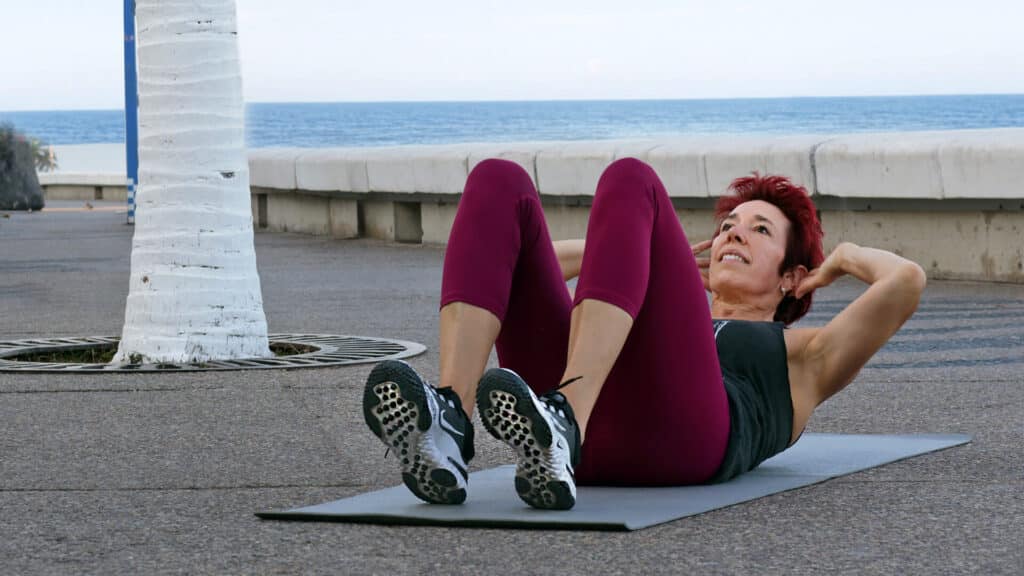
Lie on your back, knees bent.
Your heels should be close enough that you can touch them with your fingers.
Get comfortable first — adjust clothing, shift your body. No distractions.
2. Lock in the Lower Body
Flex your feet and keep your heels planted.
Don’t let them slide — this creates lower-body stability and removes momentum.
3. Set the Pelvis
Gently posteriorly tilt the pelvis.
Think: lower back softly pressed toward the floor.
Why this matters:
Reduces lower-back strain
Prevents cheating with momentum
Forces the abs to do the work
🟧 Upper Body & Neck — Protect It
4. Hand Placement
Hands lightly at the sides of the forehead or temples
Fingers relaxed or soft fists
Your hands are not there to pull your head.
They’re there to support alignment.
Too hard?
Extend your arms toward your knees — longer lever, less neck load.
5. Neck Position
Imagine a tennis ball or apple between your chin and chest.
There will be some neck tension — that’s normal.
The goal is minimal, not zero.
Good setup = neck survives, abs burn.
🟧 The Crunch (Where It All Comes Together)
6. Move With Breath
Inhale to prepare
As you exhale, lift the rib cage and shoulders
Think: ribs moving down toward the pelvis
7. Add Control
During the exhale, gently draw the belly button toward the spine
This increases tension without forcing range
You should feel:
More height
More control
Less strain
8. The Lowering Phase
Inhale as you lower
Keep the shoulder blades slightly off the floor
Don’t fully relax — tension is your friend
Why?
Better muscle engagement
Easier control
Happier lower back
🟧 What You Should Feel
If your setup is right:
Your abs will light up within minutes
Reps feel harder — in a good way
Less neck, less hip flexor, less lower back
And yes — it’s more fun when you know what you’re doing and why it works.
Effort matters.
But intelligent setup changes everything.
Good setup makes core work effective. Consistency makes it powerful. In the next article, we’ll break down why training your core every day isn’t overkill — it’s smart.